Loading
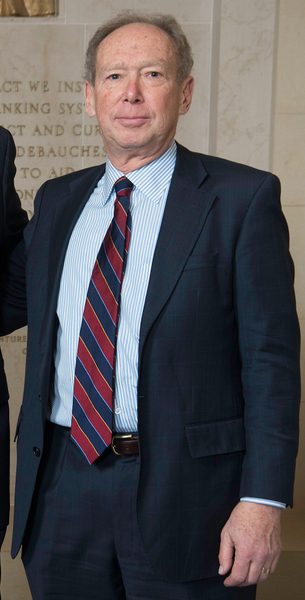
Gary H. Stern
1985–2009Reserve Bank PresidentWikipedia
Born
Nov 3, 1944
Meetings at the table
249
249/264 (15 absent)
Geography
president at Minneapolis (9) · where the Board comes from
In their time
Meetings by Chair
Policy rate
8.38% → 0–0.25%
−825 bp · Mar 1985 – Sep 2009
Seats held
- Reserve Bank PresidentMinneapolis1985–2009
Mar 21, 1985 – Sep 1, 2009
Before the Fed
Economist · Federal Reserve Bank of New York
Education
- Bachelor's, Economics — Washington University
- PhD, Economics — Rice University
Terminal: PhD · economics
Dissents on the record (3)
Mr. Stern dissented because he believed that a modestly more restrictive policy was appropriate. In his view, historical precedents suggested that prolonged periods of taut labor markets were eventually associated with rising inflation. Given prevailing pressures on resources, especially labor, Mr. Stern was concerned about the distinct risk of an acceleration of inflation. Should this acceleration occur, he believed it would prove disruptive to the favorable performance of the economy, and he preferred to begin to address this risk promptly. Return to top Amendment to Authorization for Foreign Currency Operations At this meeting the Committee considered a proposal to replace the existing 12-month maturity limit on the investment of foreign currency balances with an 18-month average duration limit. The proposal was designed to allow the Manager a wider choice of maturities and hence somewhat greater operational flexibility in the implementation of the System's primary portfolio objectives of liquidity with respect to investments in foreign government securities and limits on overall interest rate and credit risks.