Loading
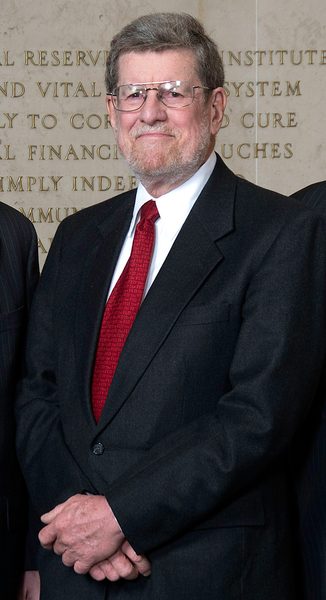
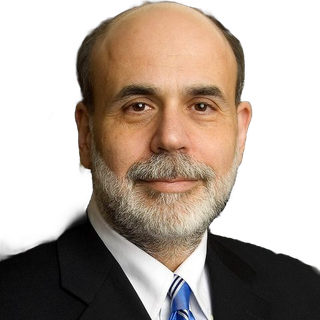
William Poole
1998–2008Reserve Bank PresidentWikipedia
Born
Jun 19, 1937
Meetings at the table
95
95/98 (3 absent)
Geography
president at St. Louis (8) · where the Board comes from
In their time
Meetings by Chair
Policy rate
5.5% → 2.25%
−325 bp · Mar 1998 – Mar 2008
Seats held
- Reserve Bank PresidentSt. Louis1998–2008
Mar 23, 1998 – Mar 31, 2008
Before the Fed
Professor · Brown University
Education
- Bachelor's — Swarthmore College (1959)
- Master's, Economics — University of Chicago (1963)
- PhD, Economics — University of Chicago (1966)
Terminal: PhD · economics
Dissents on the record (3)
- January 21, 2008wanted tighter
Mr. Poole dissented because he believed that FOMC actions this year had already established a highly stimulative monetary policy stance. The M2 and MZM measures of money had risen at annual rates in excess of 10 percent and 20 percent respectively over the past six months, and the real federal funds rate was very likely below its equilibrium level. Other more qualitative information on financial conditions pointed in the same direction. Economic forecasts were that the economy's growth would resume later this year and the fact that long-term interest rates had not declined since December also indicated that the market anticipated a revival of faster economic growth before long. Given the lags in monetary processes, he believed that adding further monetary policy stimulus raised an undue risk of fostering higher inflation in the future. Moreover, against this background, he was especially concerned that a statement that the Committee continued to view the balance of risks as weighted toward weakness would be read in the market as a sign that the Committee was likely to ease further in the near term. He thought future developments were equally likely to warrant an action in either direction, and he did not think the Committee should take a step that probably would cause expectations of further easing to become embedded in market interest rates.