Loading
Loading

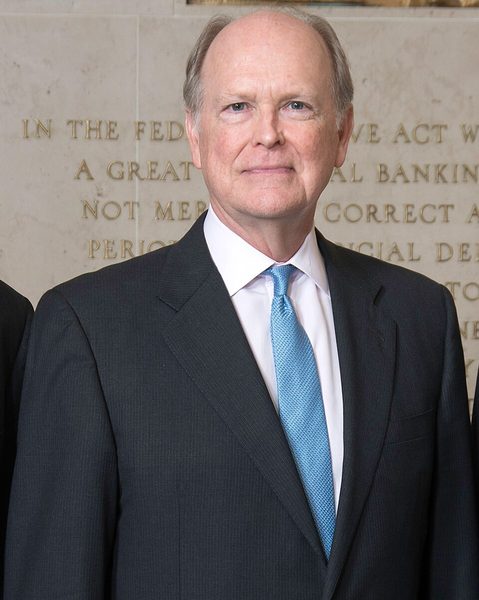
president at Philadelphia (3) · where the Board comes from
Aug 1, 2006 – Feb 28, 2015
Professor · University of Rochester
Terminal: PhD
Mr. Plosser dissented for two reasons. He believed that the Committee's policy guidance should be more data dependent and not focus on time. In his view, the improvement in economic conditions that has occurred over the course of the year was greater than anticipated, and he believed that the statement should communicate that there is a measurable probability that liftoff may occur in the first quarter of next year, even if the most likely scenario is for normalization to begin around midyear. He further believed that waiting too long to raise rates could lead to the need for more-aggressive policy in the future, which could potentially lead to unnecessary volatility and instability.
Mr. Plosser dissented because he objected to the statement's guidance indicating that it likely will be appropriate to maintain the current target range for the federal funds rate for "a considerable time after the asset purchase program ends. " In his view, the reference to calendar time should be replaced with language that indicates how monetary policy will respond to incoming data. Moreover, he judged that the statement did not acknowledge the substantial progress that had been made toward the Committee's economic goals and thus risks unnecessary and disruptive volatility in financial markets, and perhaps in the economy, if the Committee reduces accommodation sooner or more quickly than financial markets anticipate.


Messrs. Fisher, Kocherlakota, and Plosser dissented because they did not support additional policy accommodation at this time.
Messrs. Fisher, Kocherlakota, and Plosser dissented because they would have preferred to continue to describe economic conditions as likely to warrant exceptionally low levels for the federal funds rate for an "extended period," rather than characterizing that period as "at least through mid-2013.
Messrs. Fisher and Plosser dissented because they preferred no change in the target federal funds rate at this meeting. Although the economy had been weak, it had evolved roughly as expected since the previous meeting. Stresses in financial markets also had continued, but the Federal Reserve's liquidity facilities were helpful in that regard and the more worrisome development in their view was the outlook for inflation. Rising prices for food, energy, and other commodities; signs of higher inflation expectations; and a negative real federal funds rate raised substantial concerns about the prospects for inflation. Mr. Plosser cited the recent rapid growth of monetary aggregates as additional evidence that the economy had ample liquidity after the aggressive easing of policy to date.
Messrs. Fisher and Plosser dissented because, in light of heightened inflation risks, they favored easing policy less aggressively. Incoming data suggested a weaker near-term outlook for economic growth, but the Committee's earlier policy moves had already reduced the target federal funds rate by 225 basis points to address risks to growth, and the full effect of those rate cuts had yet to be felt. While financial markets remained under stress, the Federal Reserve had already taken separate, significant actions to address liquidity issues in markets.