Loading
Loading

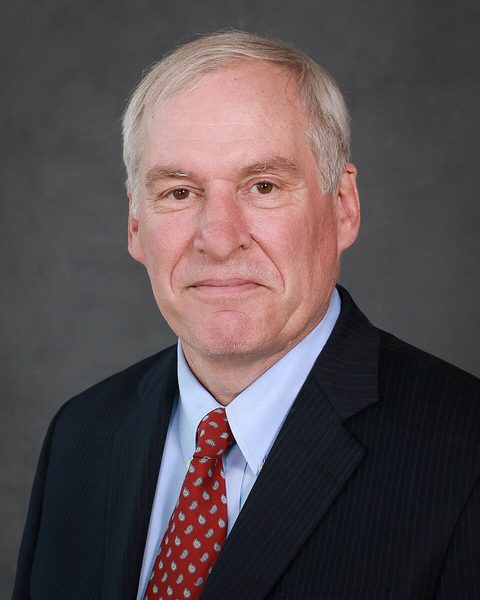
president at Boston (1) · where the Board comes from
Jul 23, 2007 – Sep 30, 2021
Economist · Federal Reserve Bank of Boston
Terminal: PhD · economics
President Rosengren dissented because he judged that monetary policy was already accommodative and that additional accommodation was not needed for an economy in which labor markets are very tight. He judged that providing additional accommodation posed risks of further inflating the prices of risky assets and encouraging households and firms to take on too much leverage.

President Rosengren dissented because he judged that monetary policy was already accommodative. In his view, additional accommodation was not needed for an economy in which labor markets are already tight and could pose risks of further inflating the prices of risky assets and encouraging households and firms to take on too much leverage.
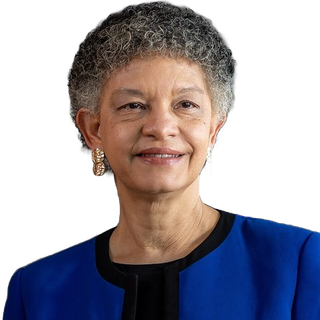
President Rosengren dissented because he did not see a clear and compelling case for additional accommodation at this time given that the unemployment rate stood near 50-year lows, inflation seemed likely to rise toward the Committee's 2 percent target, and financial stability concerns were elevated, as indicated by near-record equity prices and corporate leverage.
Mses. George and Mester and Mr. Rosengren dissented because they preferred to increase the target range for the federal funds rate by 25 basis points at this meeting.
Mr. Rosengren dissented because he viewed the decision to slow the pace of asset purchases at this meeting as premature. In his view, with the unemployment rate still elevated and the inflation rate well below the Committee's longer-run objective of 2 percent, changes in the asset purchase program should be postponed until incoming data more clearly indicate that economic growth is likely to be sustained above its potential rate. He saw the costs of delaying action at this meeting as likely to be small relative to the gains from promoting a faster return of both elements of the Committee's dual mandate to their longer-run objectives.
Mr. Rosengren dissented because he regarded the weakness in the incoming economic data and in the outlook for the economy as warranting a more aggressive policy response. In his view, the combination of a deteriorating housing sector, slowing consumer and business spending, high energy prices, and ill-functioning financial markets suggested heightened risk of continued economic weakness. In light of that possibility, a more decisive policy response was called for to minimize that risk. In any case, he felt that well-anchored inflation expectations and the Committee's ability to reverse course on policy would limit the inflation risks of a larger easing move, should the economy instead prove significantly stronger than anticipated.