Loading
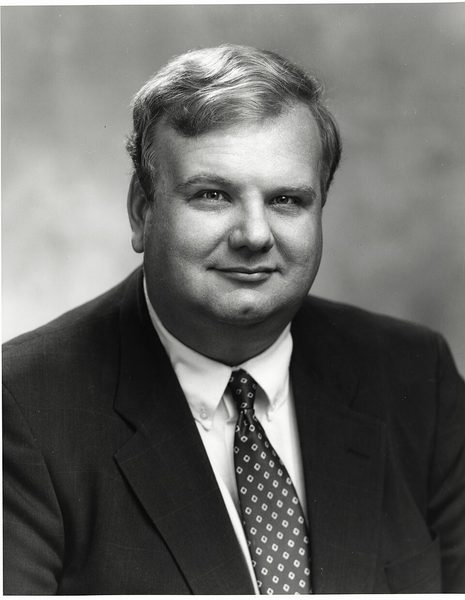
Lawrence B. Lindsey
1991–1997GovernorWikipedia
Born
Jul 18, 1954
Meetings at the table
56
56/61 (5 absent)
Geography
represented Richmond (5), current job · state of record Virginia · where the Board comes from
In their time
Meetings by Chair
Policy rate
4.75% → 5.25%
+50 bp · Nov 1991 – Feb 1997
Rate moves
7 hikes · 5 cuts
36 holds at their meetings
Seats held
- GovernorBoard of Governors1991–1997
Nov 26, 1991 – Feb 5, 1997 · confirmed Nov 22, 1991 · represents the Richmond district (current job)
Before the Fed
Professor · Harvard University
Education
- Bachelor's — Bowdoin College (1976)
- Master's, Economics — Harvard University (1981)
- PhD, Economics — Harvard University (1985)
Terminal: PhD · economics
Dissents on the record (4)
Mr. Lindsey dissented because he believed that monetary policy should be eased. The evidence suggested to him that in the absence of an easing move the underlying rate of nominal GDP growth was likely to be lower than needed to maintain real GDP at or near its potential. The intermediate forecast was subject to a number of significant risks: household balance sheets seemed unlikely to sustain the current rate of durables expenditure for any extended period; government expenditures were certain to be cut substantially; and with fiscal contractions underway in Europe and Canada and severe financial stresses present in Japan and Mexico, he did not see much likelihood of a substantial expansion of exports. In keeping with his views, the financial markets were signalling the likelihood that a weaker pace of nominal GDP growth would materialize. The yield curve was virtually flat, with government securities up through relatively long maturities trading at yields below the current average federal funds rate. Thus, markets would be unlikely to find some easing inappropriate and over the intermediate horizon would view the current level of short-term rates as unsustainable.